Mold Restoration in Fort Worth, TX
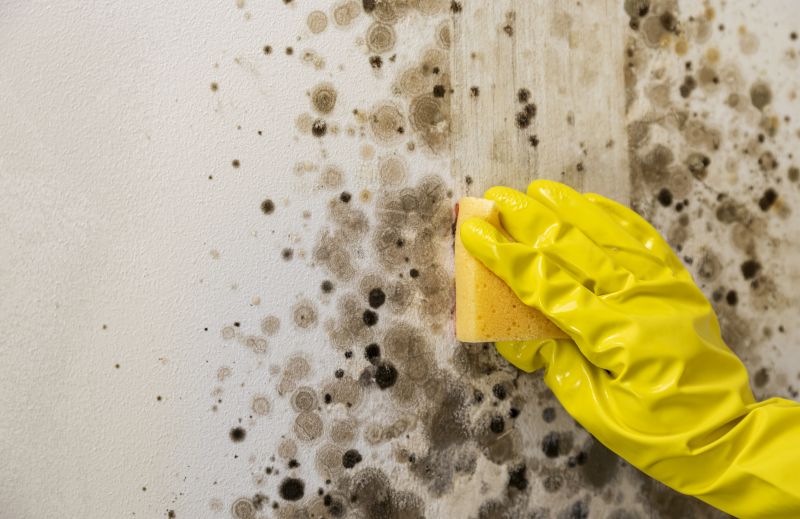
Mold restoration services focus on removing mold growth and addressing the underlying causes of moisture that promote mold development in residential properties. These projects often involve cleaning affected areas, removing mold-infested materials, and implementing measures to prevent future growth. Homeowners typically seek mold restoration after discovering visible mold, persistent musty odors, or water damage that creates conditions conducive to mold growth. Understanding the scope of the affected areas and the extent of mold presence is essential before requesting services, as this helps determine the appropriate remediation approach.
Property owners should be aware that mold restoration can encompass a variety of projects, including attic, basement, bathroom, or wall mold removal, as well as addressing water leaks or humidity issues that contribute to mold proliferation. It is important to identify whether the mold is surface-level or has penetrated deeper into building materials, which may influence the complexity of the restoration process. Clarifying concerns about health risks, affected materials, and the potential need for structural repairs can help ensure that the restoration services align with the specific needs of the property.
Many property owners in Fort Worth, TX look into Mold Restoration for repairs, replacements, upgrades, and appearance-related improvements.
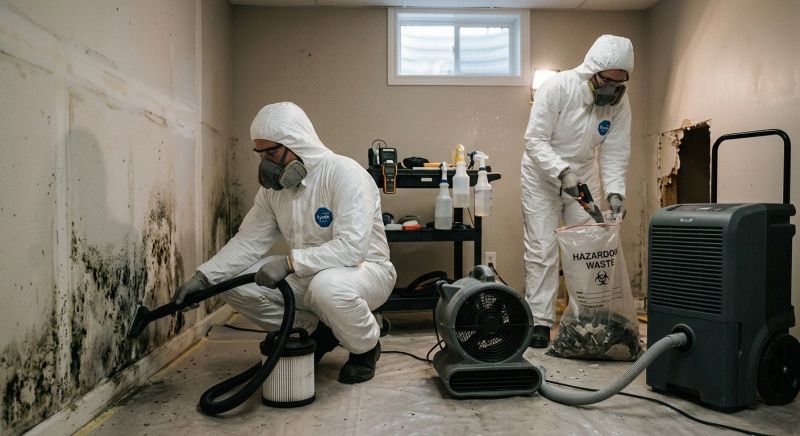
Mold Damage Assessment
Identifying the extent of mold growth to determine the appropriate restoration approach.
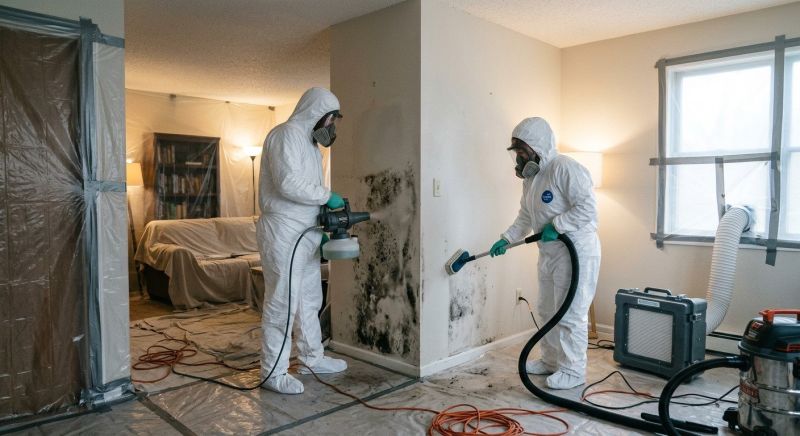
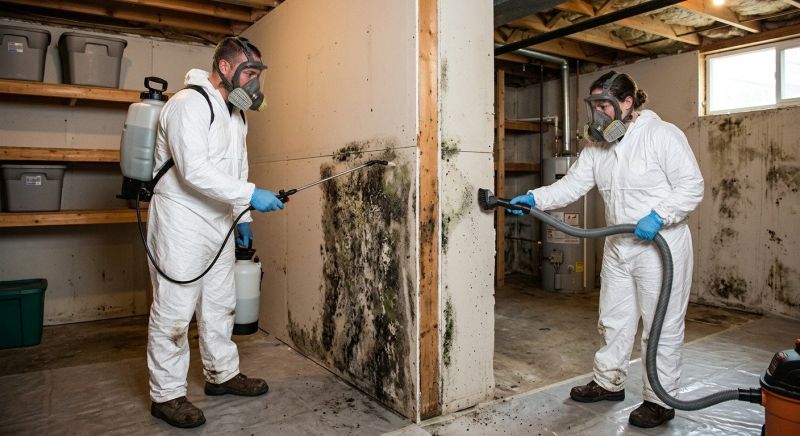
Mold Removal And Cleanup
Comprehensive removal of mold from affected areas to restore a healthy indoor environment.
Post-Remediation Restoration
Restoring damaged materials and ensuring the property is safe and mold-free for residents.
Mold Restoration in Fort Worth, TX
Mold restoration services focus on removing mold growth and addressing the underlying causes of moisture that promote mold development in residential properties. These projects often involve cleaning affected areas, removing mold-infested materials, and implementing measures to prevent future growth. Homeowners typically seek mold restoration after discovering visible mold, persistent musty odors, or water damage that creates conditions conducive to mold growth. Understanding the scope of the affected areas and the extent of mold presence is essential before requesting services, as this helps determine the appropriate remediation approach.
Property owners should be aware that mold restoration can encompass a variety of projects, including attic, basement, bathroom, or wall mold removal, as well as addressing water leaks or humidity issues that contribute to mold proliferation. It is important to identify whether the mold is surface-level or has penetrated deeper into building materials, which may influence the complexity of the restoration process. Clarifying concerns about health risks, affected materials, and the potential need for structural repairs can help ensure that the restoration services align with the specific needs of the property.
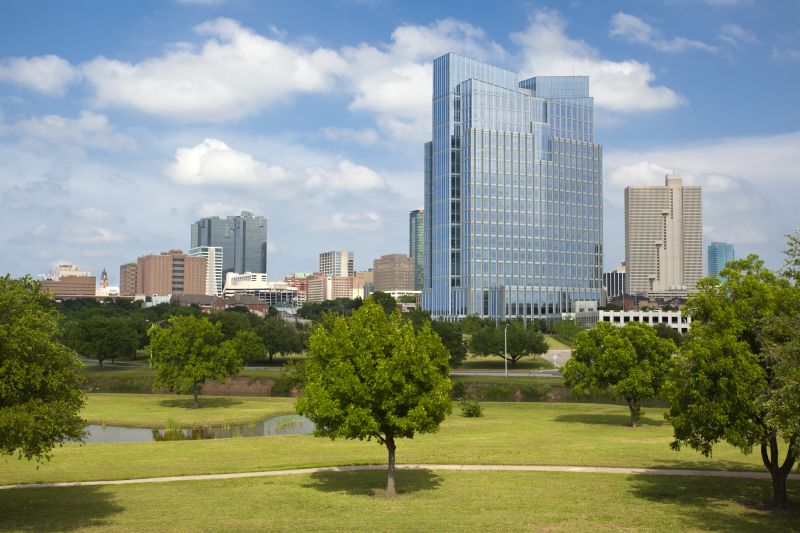
Many property owners in Fort Worth, TX look into Mold Restoration for repairs, replacements, upgrades, and appearance-related improvements.
Common Mold Restoration Jobs
Mold Removal - comprehensive cleaning to eliminate mold from affected areas.
Attic Mold Restoration - addressing mold growth in attic spaces to prevent structural damage.
Bathroom Mold Remediation - removing mold caused by excess moisture in bathrooms and showers.
Basement Mold Cleanup - restoring basement spaces affected by persistent dampness and mold.
Surface Mold Treatment - treating mold on walls, ceilings, and other surfaces for long-term protection.
Post-Remediation Verification - ensuring mold has been fully removed and the area is safe.
Mold Restoration Questions
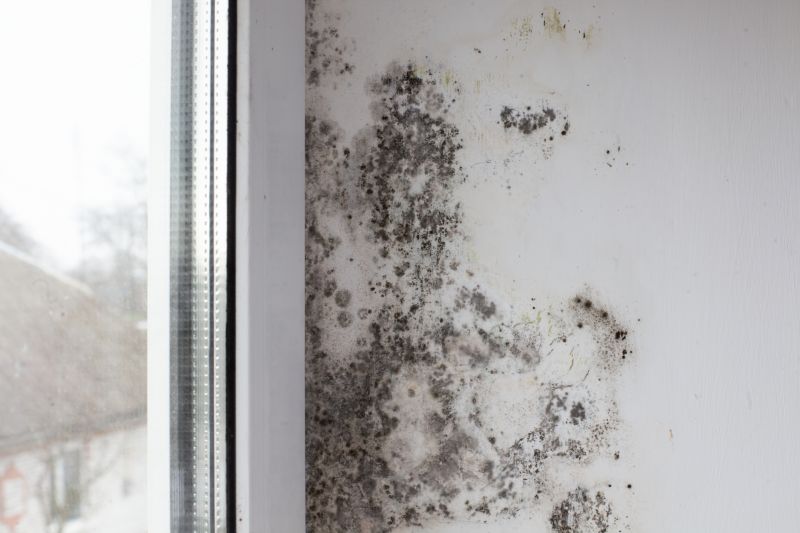
What causes mold to grow indoors? Mold thrives in areas with moisture, such as leaks, high humidity, or poor ventilation, making these common sources for indoor mold growth.
How can mold affect a property? Mold can cause property damage and may lead to health issues for occupants, especially for those with allergies or respiratory conditions.
What types of surfaces are most susceptible to mold? Porous surfaces like drywall, wood, and fabric are more prone to mold growth, especially when exposed to moisture over time.
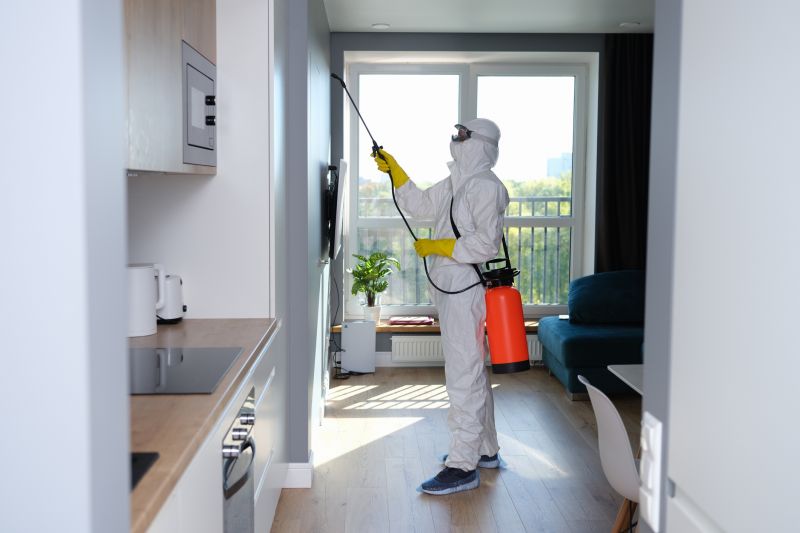
What is involved in mold restoration? Mold restoration involves removing affected materials, cleaning the area, and addressing moisture sources to prevent future growth.
Request Mold Restoration in Fort Worth, TX
Use the quote form on this page to share the basics of your project and request more information for the type of work you need.